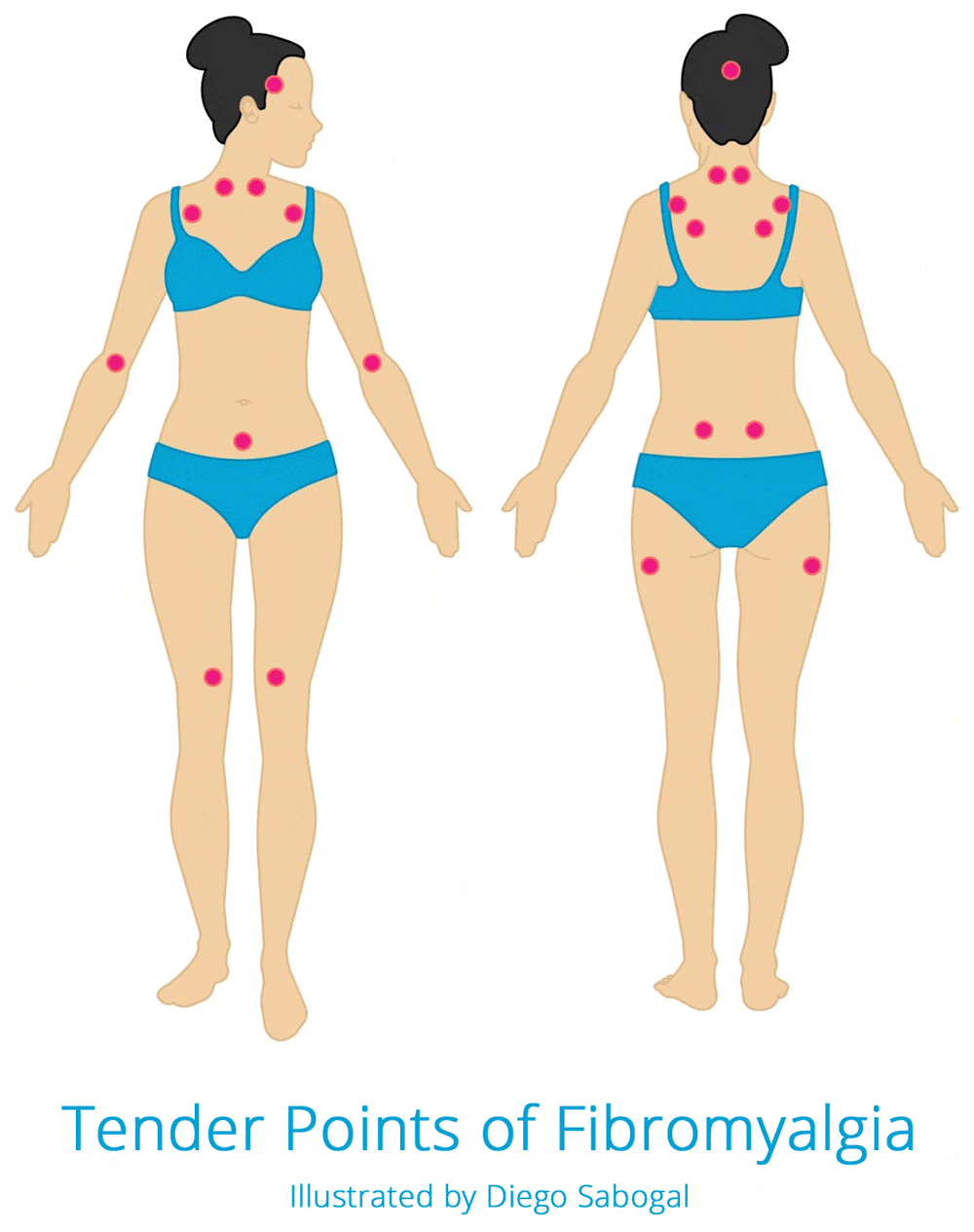
72 Symptoms of Fibromyalgia (Hard to Believe). What are yours?
You’ve probably read about fibromyalgia symptoms such as pain fatigue and fibro fog, but the list of possible symptoms is far-reaching and body-wide. Those tiny lists don’t even begin to describe our experience! I put together this “monster list” of 60+ symptoms to let you know that you’re not alone! The list is adapted from one put together by fibromyalgia author Devin Starlanyl along with other research. Knowing the full range of symptoms can help you track them, either to help your doctor reach a diagnosis or to help you identify triggers. It also helps to know you’re not the only person experiencing these! Some of the following are noted as overlapping conditions, which means they commonly occur with fibromyalgia but actually are conditions that need to be diagnosed and treated separately.
General Symptoms
- Delayed reactions to physical exertion or stressful events
- Other family members with fibromyalgia (genetic predisposition)
- Sweating
- Unexplained weight gain or loss
- Cravings for carbohydrates and chocolate
- Headaches & migraines
- Vision changes, including rapidly worsening vision
-
Muscle & Tissue Symptoms
- Pain that
- ranges from mild to severe, and may move around the body
- Morning stiffness
- Muscle twitches
- Diffuse swelling
- Fibrocystic (lumpy, tender) breasts (as an overlapping condition)
-
Sinus & Allergy Symptoms
- Allergies
- Post nasal drip
- Runny nose
- Mold & yeast sensitivity
- Shortness of breath
- Earaches & itchy ears
- Ringing ears (tinnitus)
- Thick secretions
Sleep-Related Symptoms
- Light and/or broken sleep patterns
- with unrefreshing sleep
- Fatigue
- Sleep starts (falling sensations)
- Twitchy muscles at night
- Teeth grinding (bruxism)
Reproductive Symptoms
- Menstrual problems
- PMS (as an overlapping condition)
- Loss of libido
- Impotence
-
Abdominal & Digestive Symptoms
- Bloating & nausea
- Abdominal cramps
- Pelvic pain
- Irritable bowel syndrome (as an overlapping condition)
- Urinary frequency
Cognitive/Neurological Symptoms
- Difficulty speaking known words, other language impairments (dysphasia)
- Directional disorientation
- Poor balance and coordination
- Paresthesias in the upper limbs (tingling or burning sensations)
- Loss of ability to distinguish some shades of colors
- Short-term memory impairment
- Confusion
- Trouble concentrating
- Staring into space before the brain “kicks in”
- Inability to recognize familiar surroundings
Sensory Symptoms
- Sensitivity to odors
- Sensitivity to pressure changes, temperature & humidity
- Sensitivity to light
- Sensitivity to noise
- Night driving difficulty
- Sensory overload
-
Sensory Symptoms
- Sensitivity to odors
- Sensitivity to pressure changes, temperature & humidity
- Sensitivity to light
- Sensitivity to noise
- Night driving difficulty
- Sensory overload
Emotional Symptoms
- Panic attacks
- Depression (as an overlapping condition)
- Tendency to cry easily
- Free-floating anxiety (not associated with situation or object)
- Mood swings
- Unaccountable irritability
-
Heart-Related Symptoms
- Mitral valve prolapse (as an overlapping condition)
- Irregular heartbeat (arrythmia, postural orthostatic tachycardia syndrome (as an overlapping condition)
- Pain that mimics heart attack, frequently from costochondritis (as an overlapping condition)
Skin, Hair & Nail Symptoms
- Pronounced nail ridges
- Nails that curve under
- Mottled skin
- Bruising or scarring easily
- Hair loss (temporary)
- Tissue overgrowth (non-cancerous tumors called lipomas, ingrown hairs, heavy and splitting cuticles, adhesions)
Fibromyalgia has many symptoms that tend to vary from person to person. The main symptom is widespread pain.
There may be periods when your symptoms get better or worse, depending on factors such as:
- your stress levels
- changes in the weather
- how physically active you are
See a GP if you think you have fibromyalgia.
Treatment is available to ease some of the symptoms, although it’s unlikely they’ll ever disappear completely.
Widespread pain
If you have fibromyalgia, one of the main symptoms is likely to be widespread pain.
This may be felt throughout your body, but could be worse in particular areas, such as your back or neck.
The pain is likely to be continuous, although it may be better or more severe at different times.
The pain could feel like:
- an ache
- a burning sensation
- a sharp, stabbing pain
Extreme sensitivity
Fibromyalgia can make you extremely sensitive to pain all over your body, and you may find that even the slightest touch is painful.
If you hurt yourself, such as stubbing your toe, the pain may continue for much longer than it normally would.
You may hear the condition described in the following medical terms:
- hyperalgesia – when you’re extremely sensitive to pain
- allodynia – when you feel pain from something that should not be painful at all, such as a very light touch
You may also be sensitive to things like smoke, certain foods and bright lights.
Being exposed to something you’re sensitive to can cause your other fibromyalgia symptoms to flare up.
Stiffness
Fibromyalgia can make you feel stiff. The stiffness may be most severe when you have been in the same position for a long period of time – for example, when you first wake up in the morning.
Fatigue
Fibromyalgia can cause tiredness. This can range from feeling mildly tired to the exhaustion often felt during a flu-like illness.
Severe tiredness (fatigue) may come on suddenly and can drain you of all your energy. If this happens, you may feel too tired to do anything at all.
Poor sleep quality
Fibromyalgia can affect your sleep. You may often wake up tired, even when you have had plenty of sleep.
This is because the condition can sometimes prevent you sleeping deeply enough to refresh you properly.
You may hear this described as non-restorative sleep.
Cognitive problems (‘fibro-fog’)
Cognitive problems are issues related to mental processes, such as thinking and learning.
If you have fibromyalgia, you may have:
- trouble remembering and learning new things
- problems with attention and concentration
- slowed or confused speech
Headaches
If fibromyalgia has caused you to experience pain and stiffness in your neck and shoulders, you may also have frequent headaches.
These can vary from being mild headaches to severe migraines, and could also involve other symptoms, such as feeling sick.
Irritable bowel syndrome (IBS)
Some people with fibromyalgia also have irritable bowel syndrome (IBS).
IBS is a common digestive condition that causes pain and bloating in your stomach. It can also lead to constipation or diarrhoea.
Other symptoms
Other symptoms you may have if you have fibromyalgia include:
- dizziness and clumsiness
- feeling too hot or too cold – this is because you’re not able to regulate your body temperature properly
- an overwhelming urge to move your legs (restless legs syndrome)
- tingling, numbness, prickling or burning sensations in your hands and feet (pins and needles, also known as paraesthesia)
- in women, unusually painful periods
- anxiety
In some cases, having fibromyalgia can lead to depression.
Depression can cause many symptoms, including:
- constantly feeling low
- feeling hopeless and helpless
- losing interest in the things you usually enjoy
If you think you may be depressed, it’s important to get help from a GP or your fibromyalgia healthcare professional, if you have been seeing one.